
In recent months, chocolate manufacturers around the world have felt a bitter sting as cocoa prices continue to soar. A complex interplay of climate change, supply chain disruptions, and geopolitical tensions has driven up the cost of this beloved commodity. For these manufacturers, this price hike has not only affected this sweet treat but also sparked a search for viable alternatives. Enter carob: a naturally sweet and nutritious substitute that’s gaining popularity amongst the chocolate industry.

Cocoa prices have been on a steep incline due to several factors. Climate change has wreaked havoc on cocoa-producing regions, leading to unpredictable weather patterns that affect crop yields. Additionally, supply chain issues exacerbated by the global pandemic have made it difficult for cocoa farmers to get their products to market. Political instability in key cocoa-producing countries has further strained the supply chain, creating a perfect storm for rising prices.
Carob, derived from the pods of the carob tree, is a versatile and nutritious ingredient that has been used for centuries in various cultures.
Cost-Effectiveness: With cocoa prices climbing, carob powder offers a more affordable option. It can replace cocoa in various recipes without compromising on flavour or quality.
Nutritional Benefits: Carob is naturally sweet, which means it requires less added sugar in recipes. It is also caffeine-free, unlike cocoa, making it a suitable option for those sensitive to caffeine or looking to reduce their intake.
Versatility in Recipes: Carob powder can be used in a variety of applications, from baked goods to beverages, and even chilled or frozen desserts.

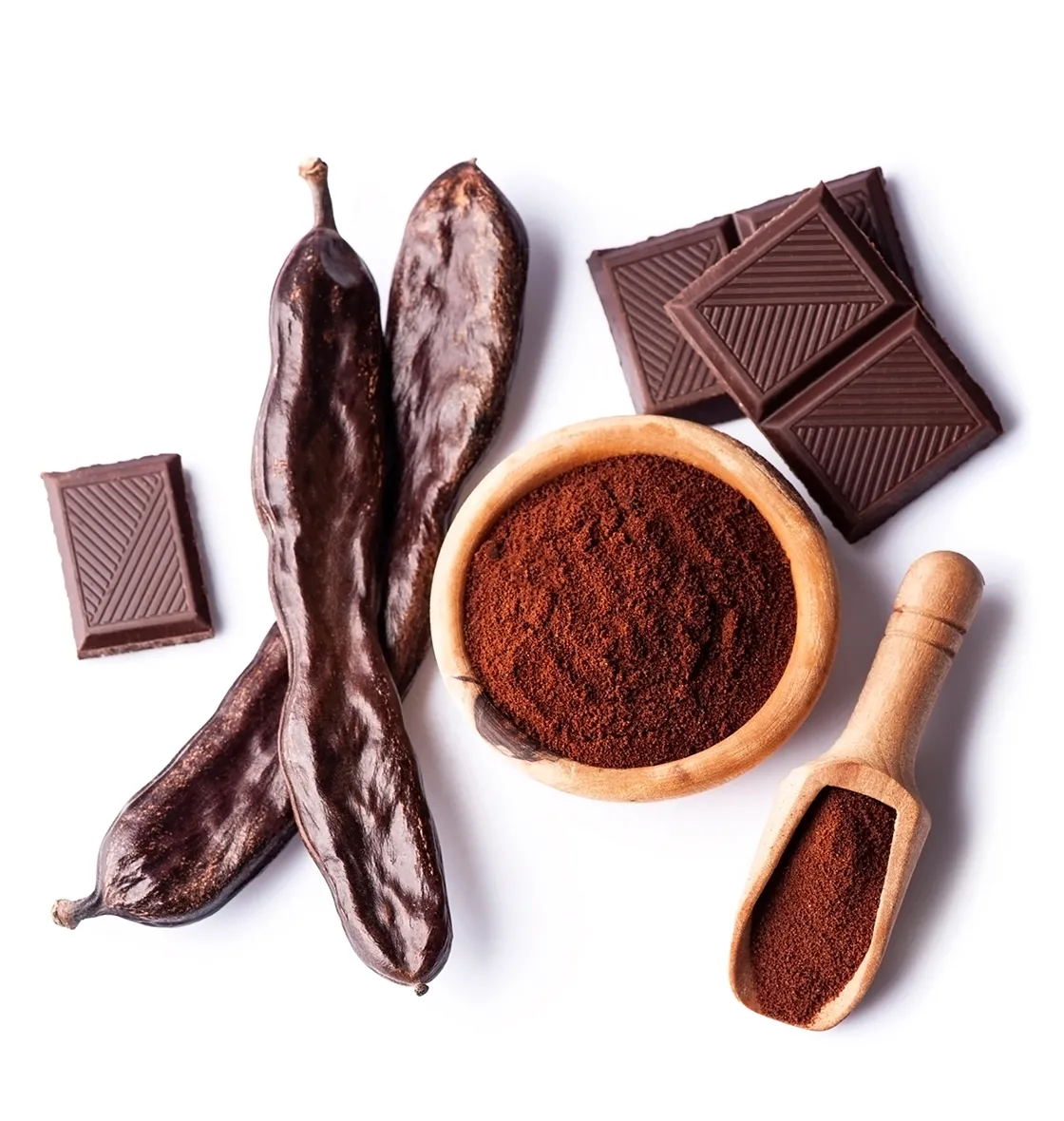
The substitution ratios for carob powder vary depending on the type of product you’re making:
Chilled or Frozen Chocolate Products
In chilled or frozen chocolate-type products, carob powder can replace some of the cocoa at a rate of 15-18% of the cocoa level. If additional colour is added back, carob can be used to replace up to 30% of the cocoa. This means that in your favourite frozen chocolate dessert, you can significantly cut down on the cocoa content without sacrificing flavour or texture.
Ambient Products and Drinks
For ambient products such as baked goods, beverages, and other room temperature treats, carob powder can replace approximately 10-12% of the cocoa. If adjustments are made to the colour and sweetness, carob can replace up to 20% of the cocoa.
As cocoa prices continue to rise, carob presents a delicious and nutritious alternative. Its natural sweetness, versatility, and cost-effectiveness make it an excellent substitute for cocoa powder in a variety of recipes.